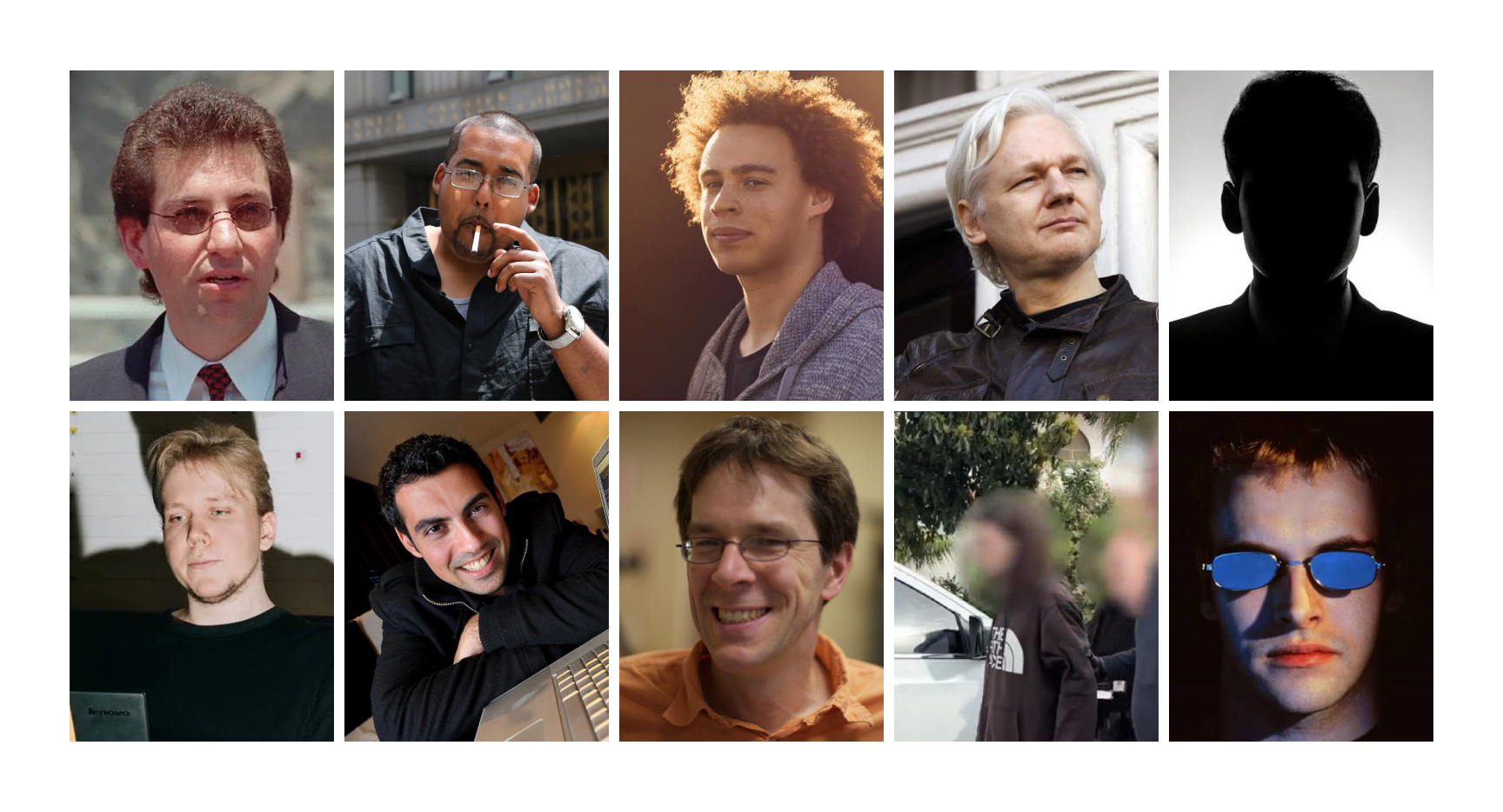
The 10 most infamous hackers of all time

Summary
When I was 21, I was inspired to be a hacker after reading a book about the infamous Kevin Mitnick. Recently, I asked my friends in security and r/cybersecurity to name the most infamous hacker of all time. I expected a younger crowd to have moved on, but it was still Kevin Mitnick, and he won by a mile.
Hacking has gone from Individuals and collectives, to well funded criminal enterprises and now to AI.
This list of the 10 most infamous hackers, is to pay respect to the humans who built the training data for our new AI models. It feels like a good time to say goodbye to the individual hacker.
These hackers are polarising. In the cybercommunity, many are despised, many are loved, but they are ALL infamous for different reasons.
Although I wanted real people on this list, the runner-up is "Zero Cool" from the movie Hackers. Forgive me for including one fictional human :)
Here are my ten, and what each of them actually did to earn the reputation. Who did I miss?
1. Kevin Mitnick
While Kevin Mitnick sat in jail, a Hollywood script had him hit Tsutomu Shimomura, the man who helped catch him, over the head with a metal bin lid. A hacker magazine editor got hold of the script and went public.
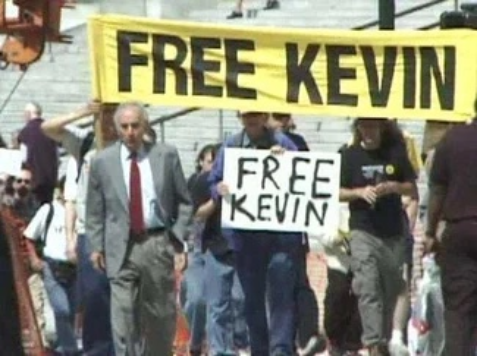
Mitnick tricked employees into helping him steal software and services from phone and tech companies. He spent more than two years on the run before his arrest in 1995 made him the face of computer crime. Books were written about him.
Mitnick later said he had once spent eight months in solitary confinement because a judge had been persuaded he could start a nuclear war by whistling into a phone.
Those in the cybersecurity community love to hate him, he loved attention, and was derided as more of a social manipulator than a true technical hacker. Nevertheless, when I asked r/cybersecurity on reddit, Mitnick's name was voted up well over 700 times.
2. LulzSec member: Sabu (Hector Xavier Monsegur)
Period: 2010-2011
Lulzsec enjoyed notoriety for publicized breaches of Sony Pictures, where real customers’ information was exposed and for taking the CIA website offline.
LulzSec turned its breaches into jokes and had a member, Topiary, handling publicity. In June 2011 one of its leading members and hackers, Sabu, started working for the FBI under the same handle.
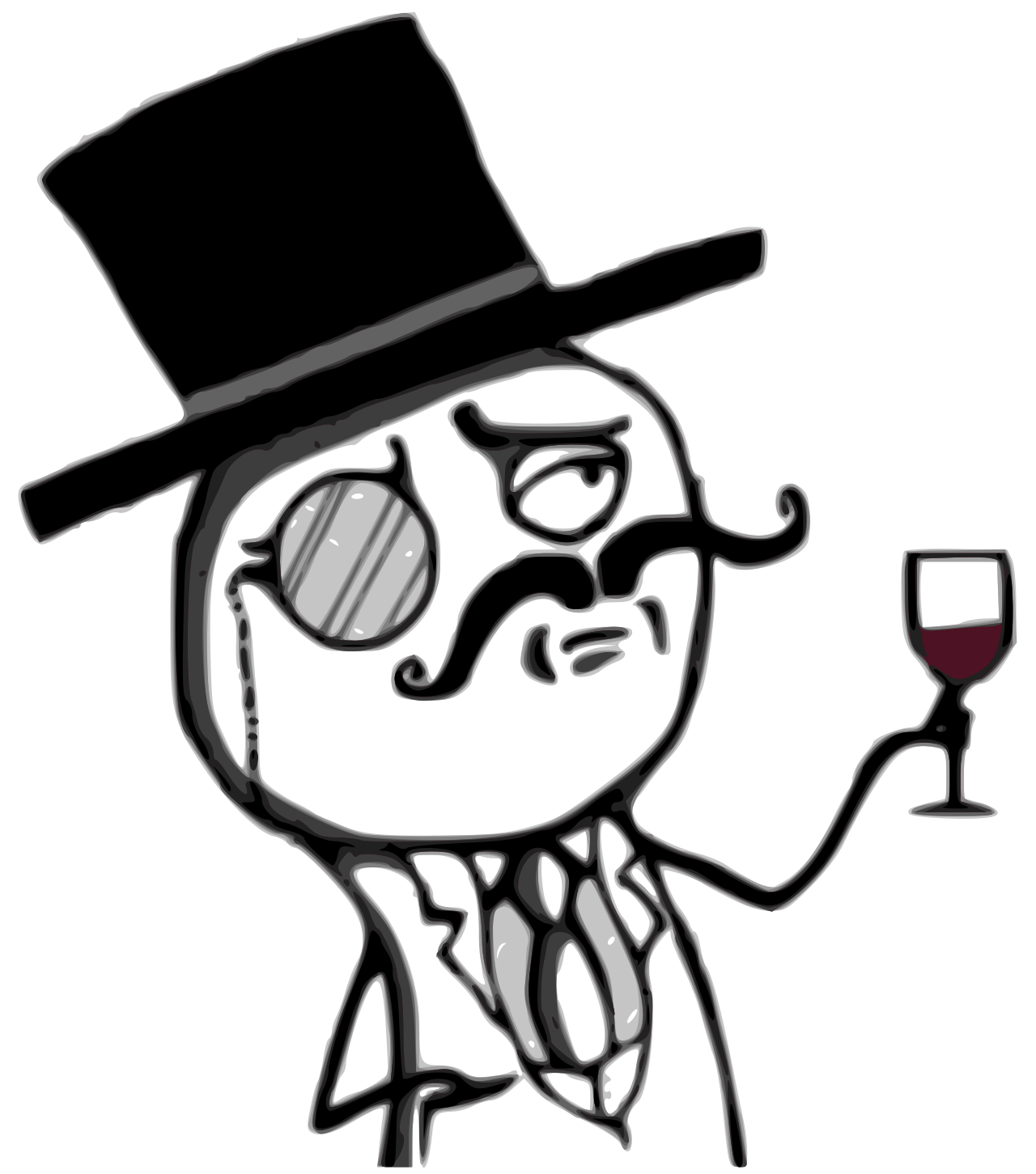
The FBI arrested Sabu on 7 June 2011, and by the next day he was cooperating. He went back online as Sabu and helped agents identify other hackers.
Prosecutors credited him with helping thwart or mitigate at least 300 hacks. In 2014 he walked out of court with a sentence of the seven months he had already served.
3. Marcus Hutchins (MalwareTech / Wannacry)
OK OK, Marcus is actually a good guy. But only on balance!
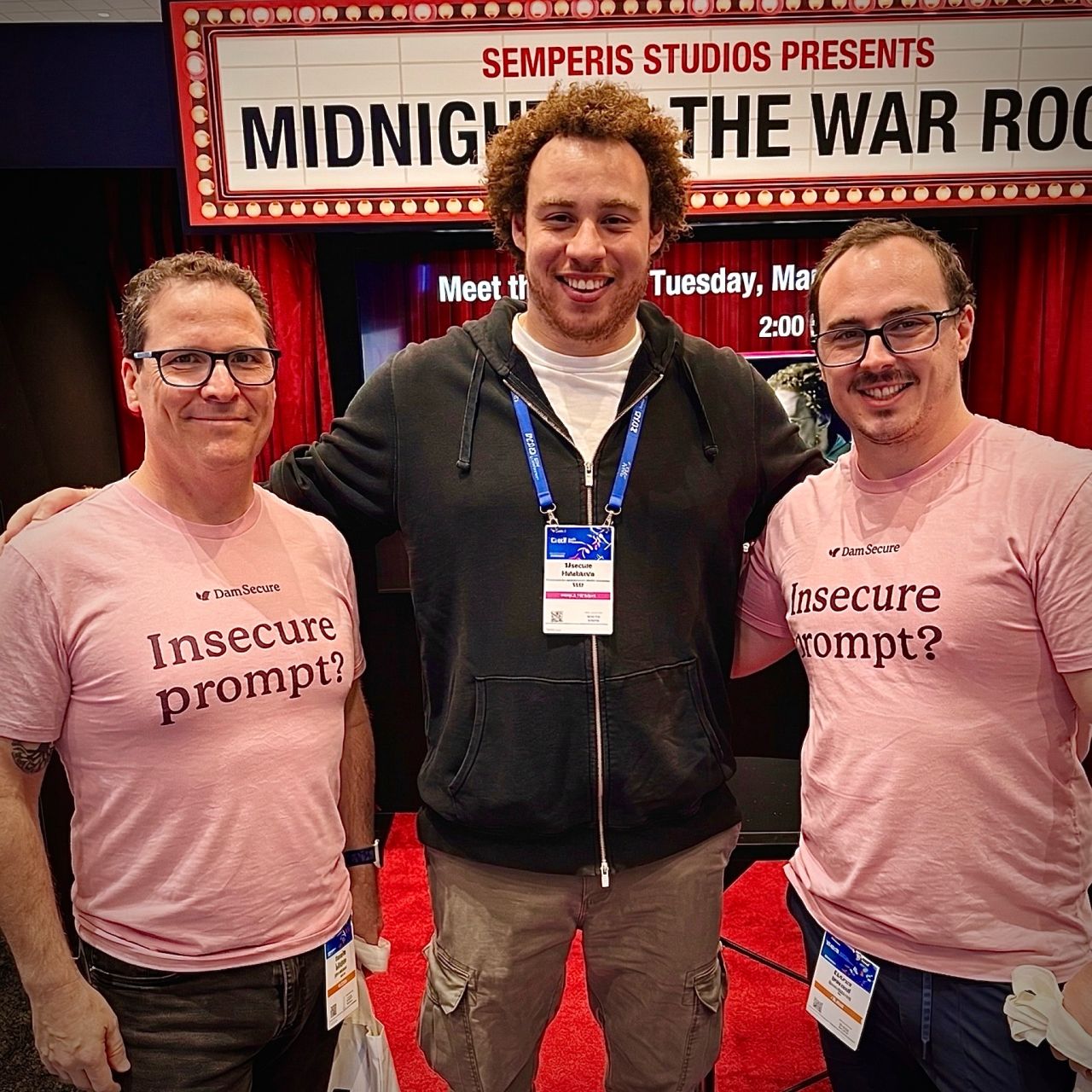
Marcus Hutchins went to Las Vegas as the researcher who had helped stop the infamous WannaCry: a global ransomware cryptoworm attack that struck in May 2017, infecting over 200,000 Windows computers.
He was waiting in an airport lounge for his flight home when he was arrested over a different piece of malware.
In May 2017 Hutchins registered a domain he found in WannaCry’s code, hoping to track the outbreak, and accidentally tripped the ransomware’s kill switch.
In August 2017, after DEF CON, he was arrested at the Las Vegas airport and charged over Kronos, a banking trojan. In 2019 he pleaded guilty to two counts relating to creating and distributing Kronos and an earlier malware kit, UPAS Kit, between 2012 and 2015.
At sentencing in Milwaukee, Judge J.P. Stadtmueller gave him time served and a year of supervised release. He also suggested Hutchins consider seeking a pardon, which the court had no power to grant.
“There are just too many positives on the other side of the ledger,” the judge said.
4. Julian Assange (Mendax)
“Please don’t call the Australian Federal Police.” Twenty-year-old Julian Assange left that message for a Nortel administrator in Melbourne in 1991, after breaking into the company’s network.
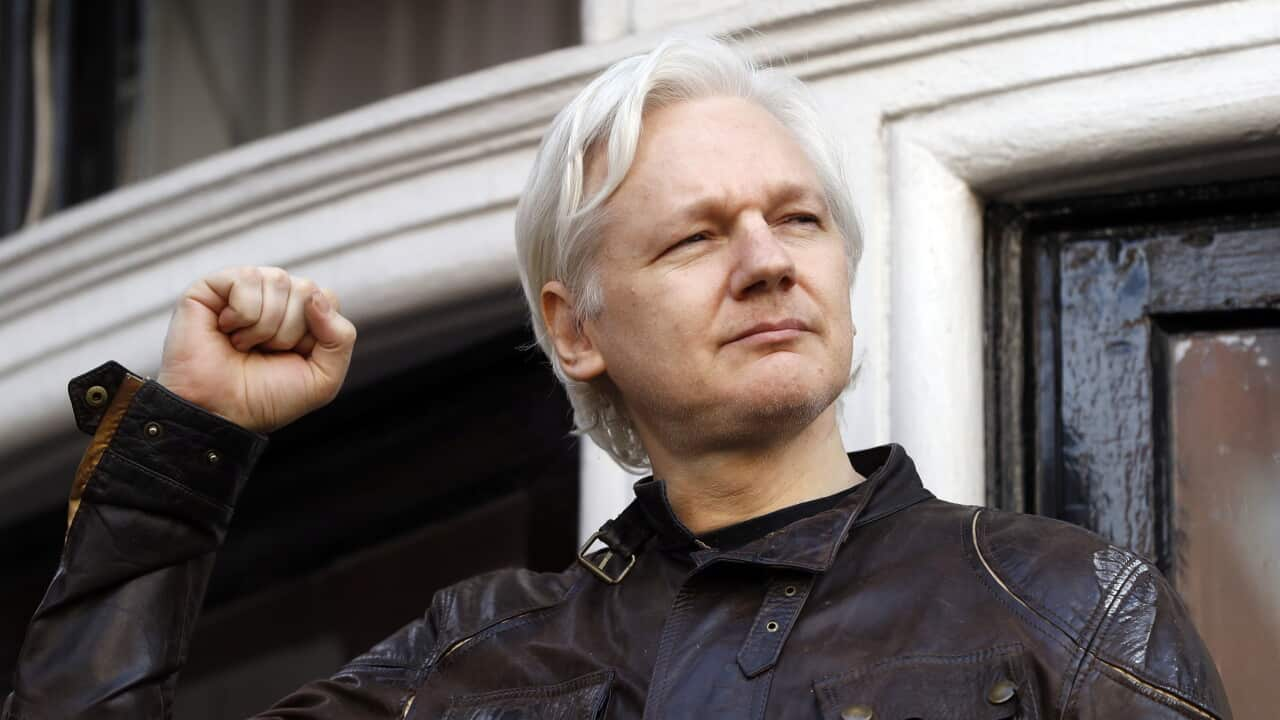
Years before WikiLeaks, Assange was hacking from outside Melbourne under the name Mendax. One spring night in 1991, a Nortel administrator drove into the company’s Melbourne office and sat at the master terminal, hunting for the intruder.
At about 3:30 in the morning, messages began appearing on his screen. According to Underground, the 1997 book by Suelette Dreyfus that Assange researched, Mendax announced that he had taken control. He then assured the administrator he had done no damage and had even improved a few things. The administrator didn’t answer.
In 1996 Assange pleaded guilty to 24 hacking charges, was ordered to pay A$2,100 and received a good-behavior bond.
5. Richard Jones (Electron)
It took a filmmaker a year to reach Electron. When the Melbourne hacker finally sat down with him in a café, he talked for more than four hours. In the documentary, an actor speaks his words.
Electron and Phoenix were Melbourne hackers in a group called the Realm. After police raids in April 1990, theirs became the first prosecution of hackers under Australia’s new federal computer crime law.
Years later, Electron agreed to tell documentary maker Kevin Anderson what had happened, on condition that his identity was protected. An actor played him even in the interview scenes, reading from the transcript of their conversation.
6. Aleksanteri Kivimäki
When Finland’s Vastaamo psychotherapy company refused a ransom demand, patient records began appearing online. Then the patients started receiving extortion demands of their own.
The court heard that Kivimäki demanded €370,000 in bitcoin from Vastaamo. When the company refused, patients received demands for payment to keep their therapy records offline.
Some had told a therapist things they might never have told their families. Now they had to decide whether to tell those families before the extortionist did.
Kivimäki has denied the attack throughout, but he was convicted. After Finland’s Supreme Court declined to hear his appeal in 2026, he failed to report to prison, and Finnish police have since asked for his arrest anywhere in Europe.
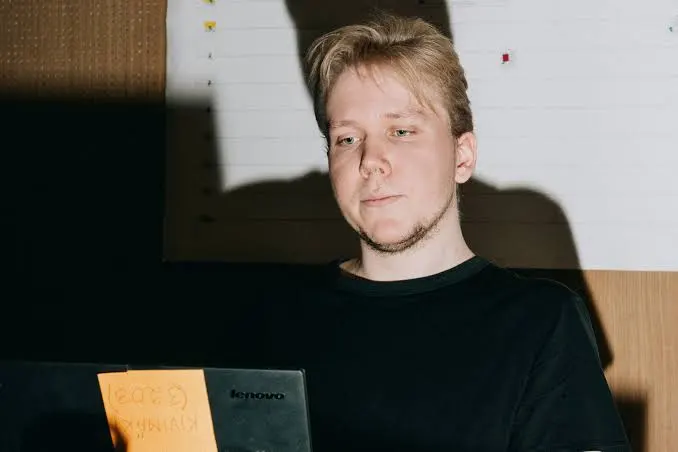
7. Markus Hess (Urmel) - made famous by Clifford Stoll
An astronomer at Berkeley was asked to find a 75-cent discrepancy in a computer account. The trail led to West Germany and a Hess selling information to the KGB.
To keep Hess online long enough to trace him, Stoll filled an account with convincing fake files, a honeypot, about the US Strategic Defense Initiative and waited.
The trace led to Hanover and to a group that had been selling what it found to the KGB. In 1990 Stoll flew to West Germany to testify at the trial, where Hess was convicted of espionage and given a suspended sentence.
Stoll’s book The Cuckoo’s Egg made him better known to many security people than the man he caught.
8. Samy Kamkar
Kamkar was the original teen social media hacker. Samy wanted 13 photos on his MySpace profile, but was only allowed 12 photos. Trying to get around the limit ended with more than a million people declaring him their hero.
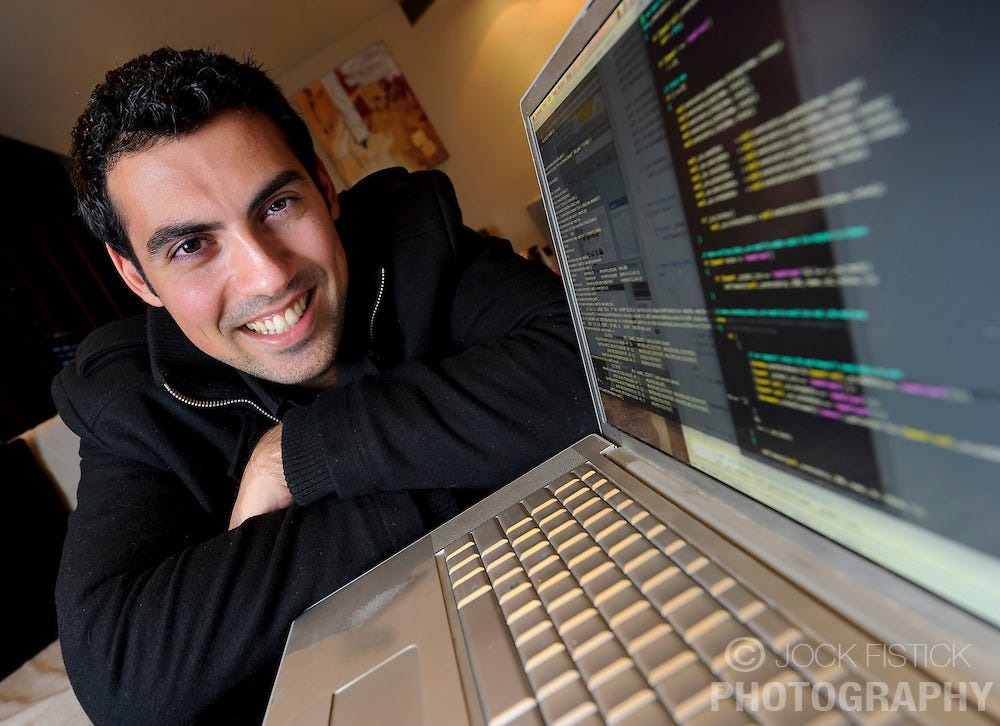
In October 2005, 19-year-old Kamkar was fiddling with his MySpace profile. He worked out how to make anyone who viewed it send him a friend request and add “but most of all, samy is my hero” to their own profile. Anyone who then visited one of those profiles picked it up too.
Within a day he had more than a million new friends, and MySpace went offline to clean up.
A social network had set a small, annoying limit, and a teenager with some spare time decided to see what else was negotiable.
9. Robert Tappan Morris (rtm)
In 1988 Robert Tappan Morris asked a friend to send the internet an apology and instructions for removing his worm. The worm had clogged the network so badly that few people got the message in time.
An estimated 6,000 computers were affected, roughly a tenth of those then connected to the internet.
Morris confided in two friends. One relayed the apology and fix, while the other called The New York Times anonymously and let the initials RTM slip to a reporter. The paper worked out who he was.
Morris became the first person convicted under the 1986 US Computer Fraud and Abuse Act. Within two weeks of the worm’s release, the first US computer emergency response team had been set up at Carnegie Mellon.
10. Ruben Thomson (alleged) of TeamPCP
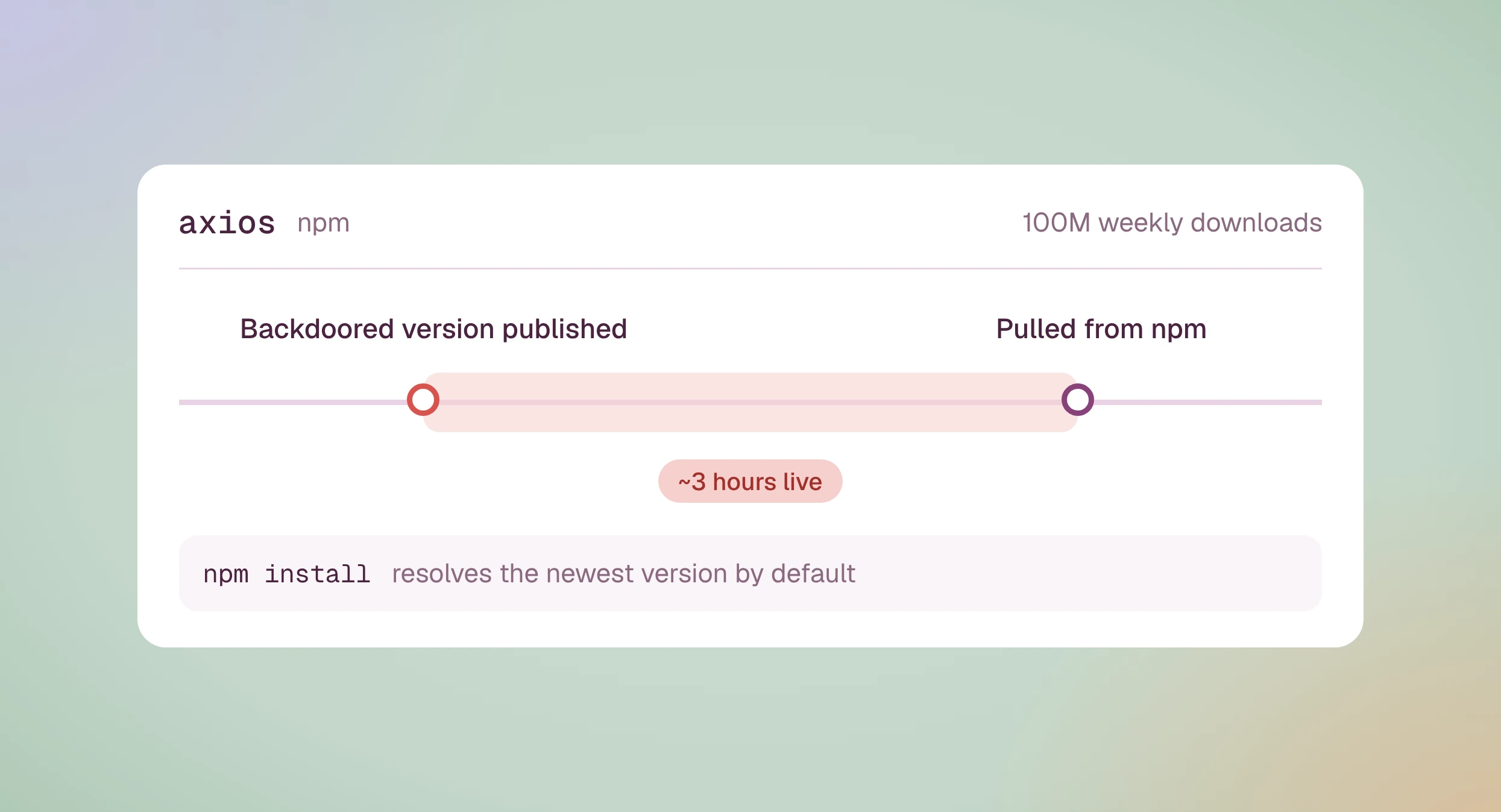
Developers ran Trivy to find vulnerabilities in their software. In 2026, compromised versions of the scanner delivered malware. In August the FBI named a 21-year-old arrested in Perth as TeamPCP’s alleged leader.
Engineering teams routinely give a security scanner access to their code, so a compromised scanner reaches straight into the environments it was meant to protect.
Singapore’s Cyber Security Agency documented the compromised Trivy releases in March 2026.
Thomson’s role remains an allegation. US prosecutors say Ruben Ian Thomson conspired with others in the supply-chain attacks, and the FBI publicly identified him as the group’s alleged leader. He was arrested in Perth.
Honorable mention: Dade Murphy (Zero Cool)
The runner-up in the tally was banned from touching a computer until his 18th birthday. He’s from the 1995 movie Hackers, and he’s the one fictional hacker on the list, ahead of Neo and Trinity from The Matrix and David Lightman from WarGames.
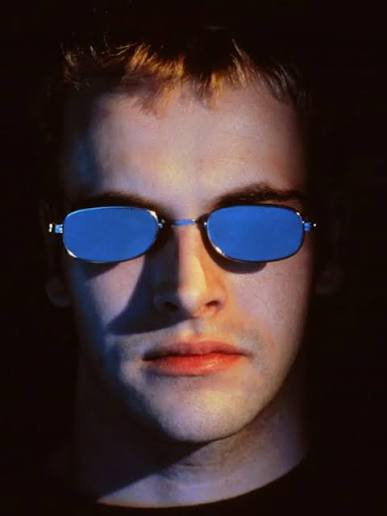
Hackers came out in 1995. More than thirty years later, a roomful of serious security pros will still name him "the most infamous hacker" while keeping a straight face.
Which leaves the question this whole exercise raised for me: who got you interested in hacking in the first place?
The rest of the longlist
Everyone else who was nominated, from phone phreaks to fictional teenagers.
| Name | Type | Why they came up |
|---|---|---|
| Real people and groups | ||
| John Draper (Captain Crunch) | Individual | Brought phone phreaking to a mass audience. His nickname came from a cereal-box whistle that reproduced a phone signaling tone. |
| Cliff Stoll | Individual | Followed a 75-cent accounting discrepancy at Berkeley to a KGB-linked spy ring and wrote The Cuckoo’s Egg. |
| John McAfee | Individual | The antivirus founder whose notoriety went well beyond his software. |
| L0pht Heavy Industries | Group | Boston hackers who told the US Senate in 1998 they could take down the internet in 30 minutes. |
| Alan Turing | Individual | Helped Bletchley Park read Enigma traffic during World War II. |
| Jake Davis (Topiary) | Individual | LulzSec’s public voice, and a big part of why the group got famous. |
| Jeremy Hammond (Anarchaos) | Individual | Took data from intelligence firm Stratfor in the 2011 AntiSec campaign. |
| Legion of Doom (LoD) | Group | Early hacker and phone phreaking group. Its Atlanta branch broke into BellSouth systems. |
| Cult of the Dead Cow (cDc) | Group | Released Back Orifice to show how insecure Windows PCs were. |
| HD Moore | Individual | Created Metasploit. |
| The Shadow Brokers | Group | Leaked tools attributed to the NSA, including one later used in WannaCry. |
| Barnaby Jack | Individual | Made two ATMs dispense cash on stage at Black Hat, then turned to medical-device security. |
| Dan Kaminsky | Individual | Found a DNS flaw that could send users to impostor sites and coordinated a worldwide fix. |
| Phineas Fisher | Individual | Broke into surveillance vendors FinFisher and Hacking Team and published their internal records. |
| Evgeniy Bogachev (Slavik) | Individual | The FBI alleges he ran GameOver Zeus, a botnet used to steal banking credentials. |
| Gary McKinnon (Solo) | Individual | Said he searched US military and NASA systems for evidence of UFOs. |
| George Hotz (geohot) | Individual | Unlocked the original iPhone as a teenager, then drew a Sony lawsuit over the PlayStation 3. |
| Bill Landreth (The Cracker) | Individual | Teen intruder who wrote Out of the Inner Circle, an early inside account of the computer underground. |
| Rui Pinto | Individual | Published Football Leaks, exposing the money behind football transfers and contracts. |
| Sandworm (GRU Unit 74455) | Group | The Russian military unit the US blames for NotPetya, the attack that left Maersk losing track of its containers. |
| Kim Dotcom (Kimble) | Individual | German hacker who later founded Megaupload. |
| Jay Freeman (saurik) | Individual | Created Cydia, the app store that made jailbroken iPhones useful. |
| Jonathan James (c0mrade) | Individual | Broke into US defense and NASA systems as a teenager. |
| Chris Kubecka | Individual | Helped restore Saudi Aramco’s international operations after the 2012 Shamoon attack. |
| Dennis Ritchie | Individual | Created C and co-created Unix. Nominated simply as “the inventor of C”. |
| Edward Snowden | Individual | The NSA contractor who gave classified surveillance documents to journalists. |
| Paras Jha | Individual | Co-created the Mirai botnet of hacked cameras and routers. |
| Karl Koch (Hagbard Celine) | Individual | Part of the West German hacking circle that sold information to the KGB. |
| Avunit | Individual | The LulzSec member who was never publicly identified. |
| Fictional | ||
| Hackerman | Character | The Kung Fury computer wizard who can hack time itself. |
| Elliot Alderson | Character | The fsociety hacker from Mr. Robot. |
| Henry Dorsett Case | Character | William Gibson’s console cowboy in Neuromancer. |
| David Lightman | Character | The WarGames teenager who thinks he’s playing a game on a military computer. |
| Neo | Character | The programmer who moonlights as a hacker in The Matrix. |
| Rache Bartmoss | Character | The Cyberpunk netrunner blamed for crashing the old Net. |
| Lisbeth Salander | Character | Stieg Larsson’s hacker and investigator from the Millennium novels. |
| Trinity | Character | Already famous for breaking into the IRS database when Neo meets her. |
| Kate Libby (Acid Burn) | Character | Dade’s rival in Hackers. One commenter picked her over him. |
| Ferris Bueller | Character | Changed his school attendance record remotely. Matthew Broderick played David Lightman three years earlier. |
This list started with nominations from friends and r/cybersecurity. Thanks to Cole Cornford, Vaughan Shanks, Martin McGregor, John Cramb, Cameron Walters, Ben Gittins and Paul McCarty for theirs. I made the final picks.